
Transform Your Body with Science-Backed Nutrition
Discover how balanced, nutrient-dense meals can unlock your full potential. At Proteinpowerpath, we believe that proper nutrition is the foundation of sustainable energy, strength, and wellbeing for men.

Why Balanced Meals Matter for Men
Proper nutrition isn't just about looking good—it's about feeling energized, improving stamina, maintaining muscle mass, and supporting overall vitality throughout your day.
Sustained Energy
Balanced meals provide steady glucose levels and consistent energy throughout your day without crashes.
Muscle Support
Adequate protein and micronutrients support muscle recovery and help maintain lean body composition.
Heart Health
Nutrient-rich foods support cardiovascular function and promote healthy blood pressure and cholesterol levels.
Mental Clarity
Balanced nutrition supports cognitive function, focus, and mental performance throughout your day.
Core Nutrition Pillars
A successful nutrition strategy for men includes these essential components working in harmony.
Plant & Whole Foods
Whole grains, vegetables, fruits, and legumes provide essential fiber, vitamins, and minerals. These foods support digestion, stable blood sugar, and long-term health outcomes.
Quality Protein
Lean meats, fish, eggs, and plant-based proteins are crucial for muscle maintenance, recovery, and satiety. Aim for variety to maximize nutrient intake.
Healthy Fats
Omega-3 fatty acids, nuts, seeds, and olive oil support hormone production, brain health, and cardiovascular function. Essential for overall male vitality.
Micronutrients
Vitamins and minerals including zinc, magnesium, and B vitamins support energy metabolism, immune function, and cellular health. Often supplemented for optimal levels.
Proper Hydration
Consistent water intake supports muscle function, cognitive performance, and metabolic processes. Often overlooked but fundamental to daily nutrition success.
Meal Timing
Strategic meal spacing supports stable energy, prevents overeating, and optimizes nutrient absorption. Consistency is key to sustainable results.
Real Meals, Real Results
Discover practical, science-backed meal strategies that work for busy men looking to optimize their nutrition.

Protein-Rich Dinner Ideas
Learn how to build balanced dinner plates with lean proteins, vegetables, and whole grains for sustained energy.

Breakfast for Champions
Start your day right with nutrient-dense breakfast options that fuel your morning and support muscle recovery.
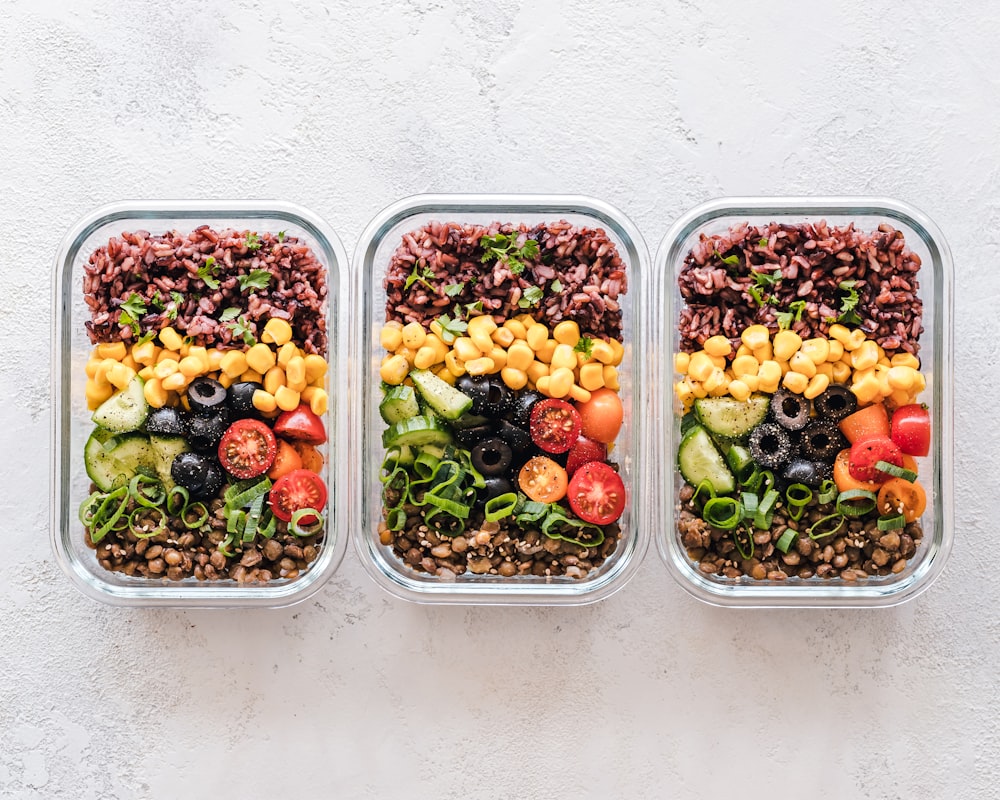
Smart Snacking Strategy
Explore between-meal nutrition options that boost energy, support recovery, and keep you satisfied throughout the day.
Common Questions Answered
Find practical answers to the most frequently asked questions about nutrition for men.
How much protein should I eat daily?
A common recommendation is 0.8–1.0 grams of protein per pound of body weight for men focused on muscle maintenance and recovery. This can vary based on activity level, goals, and overall caloric intake. Distribute protein evenly across meals for optimal muscle protein synthesis.
What's the best meal frequency for men?
Most evidence suggests that 3 balanced meals per day, with 1–2 nutrient-dense snacks, works well for sustained energy and metabolism. Individual preference and schedule matter more than strict meal timing—consistency is what drives results.
Should men use dietary supplements?
A balanced diet covers most nutrient needs, but certain supplements like a quality multivitamin, omega-3s, and vitamin D can fill gaps. Always consult with a healthcare provider before starting any supplement regimen, especially for high doses.
How do I balance macronutrients correctly?
A common starting point is 40% carbohydrates, 30% protein, and 30% fat. However, optimal ratios vary by individual goals—athletes may need higher carbs, while some thrive with higher fat. Track your energy and results to find your ideal balance.
Can proper nutrition improve stamina and endurance?
Absolutely. Adequate carbohydrates fuel intense activity, protein supports recovery, and micronutrients like iron and B vitamins are essential for oxygen transport and energy metabolism. Combined with hydration, nutrition directly impacts performance.
What foods support healthy energy levels?
Lean proteins, complex carbohydrates, healthy fats, and whole foods provide sustained energy without crashes. Oats, sweet potatoes, chicken, fish, nuts, and leafy greens are excellent choices. Avoid refined sugars and processed foods that cause energy spikes and drops.
Men Who Changed Their Lives
Real testimonials from men across the United Kingdom who transformed their health through balanced nutrition.
"I was constantly fatigued and struggling with my energy levels at work. After implementing a balanced nutrition plan, I noticed a dramatic improvement within three weeks. I now have consistent energy throughout the day, and I feel more focused and productive. The practical meal guides made it easy to follow without overthinking everything."
James Mitchell
Manchester, UK
"As someone who trains regularly, I knew nutrition mattered but didn't know where to start. The comprehensive approach to balanced meals helped me understand how to support my fitness goals properly. My recovery is noticeably better, and my strength gains have accelerated. Best decision I made for my health."
David Thompson
London, UK
"At 45, I felt my health declining. I decided to take nutrition seriously with Proteinpowerpath's guidance. The balanced meal approach has been transformative—I've lost weight, feel stronger, and my overall vitality is back. I'm more energetic with my family and confident at work. Highly recommend this to any man serious about wellness."
Robert Chen
Birmingham, UK
Stay Updated
Get the latest nutrition insights and meal guides delivered to your inbox.
Start Your Nutrition Transformation Today
Whether you're looking to boost your energy, support muscle growth, or simply feel better every day, proper nutrition is your foundation. Explore our comprehensive guides, recipes, and expert resources designed specifically for men who want to take control of their health.
For more information about our content and editorial approach, please visit our disclaimer page.